TAG Design System
The Adecco Group · 2022–present · designsystem.adeccogroup.com
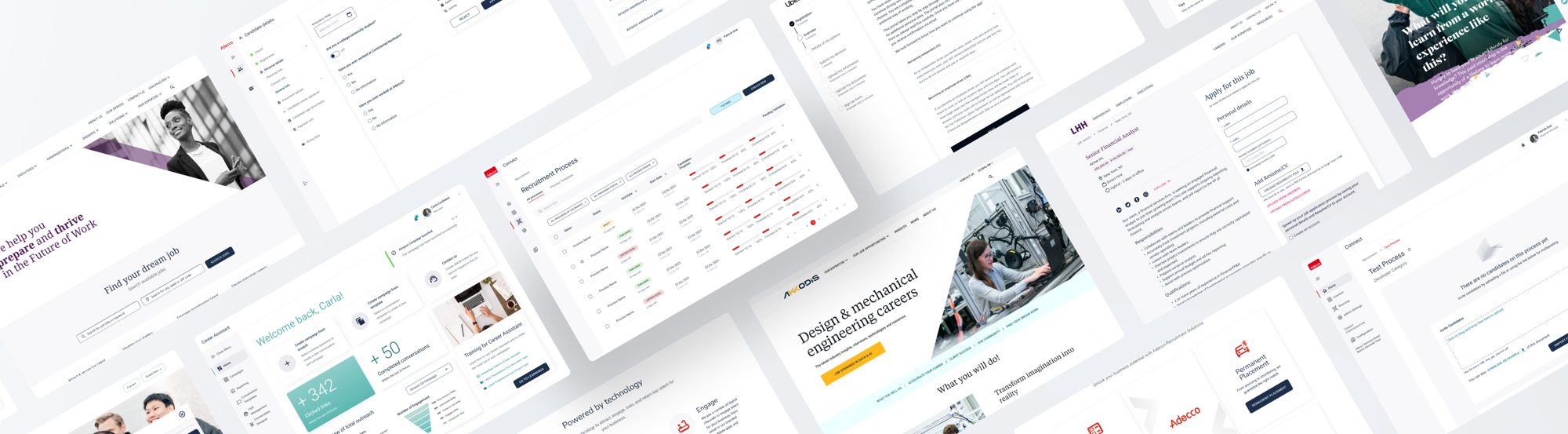
Adopted by 100+ products, from 30+ business units, across 70+ countries.
- Role
- Senior UX Designer, owner of the design system for web
- Web platform
- The group-wide web platform used by every business unit
- Brands
- Adecco, Akkodis, LHH, Pontoon, Badenoch + Clark, Office Angels and more
- Focus
- Web library, guidelines, WCAG accessibility, governance, optimisation, AI-enabled documentation
Results
The problem
The Adecco Group runs dozens of brands, products and markets. Teams were solving the same interface problems in parallel, with inconsistent results, uneven accessibility and costly external tools. The group needed one shared foundation that could carry many brands without flattening them.
What I owned
There was no group-wide web platform before. We built it from the ground up, and I was involved from the early concept phase. I owned the design system for web that the platform is built on, and every business unit now uses it to run its websites. One set of components, patterns and guidelines now sits behind all of them. We did this with a lean team of 3 designers and 2 developers, where design system teams at organisations of this size often number dozens.
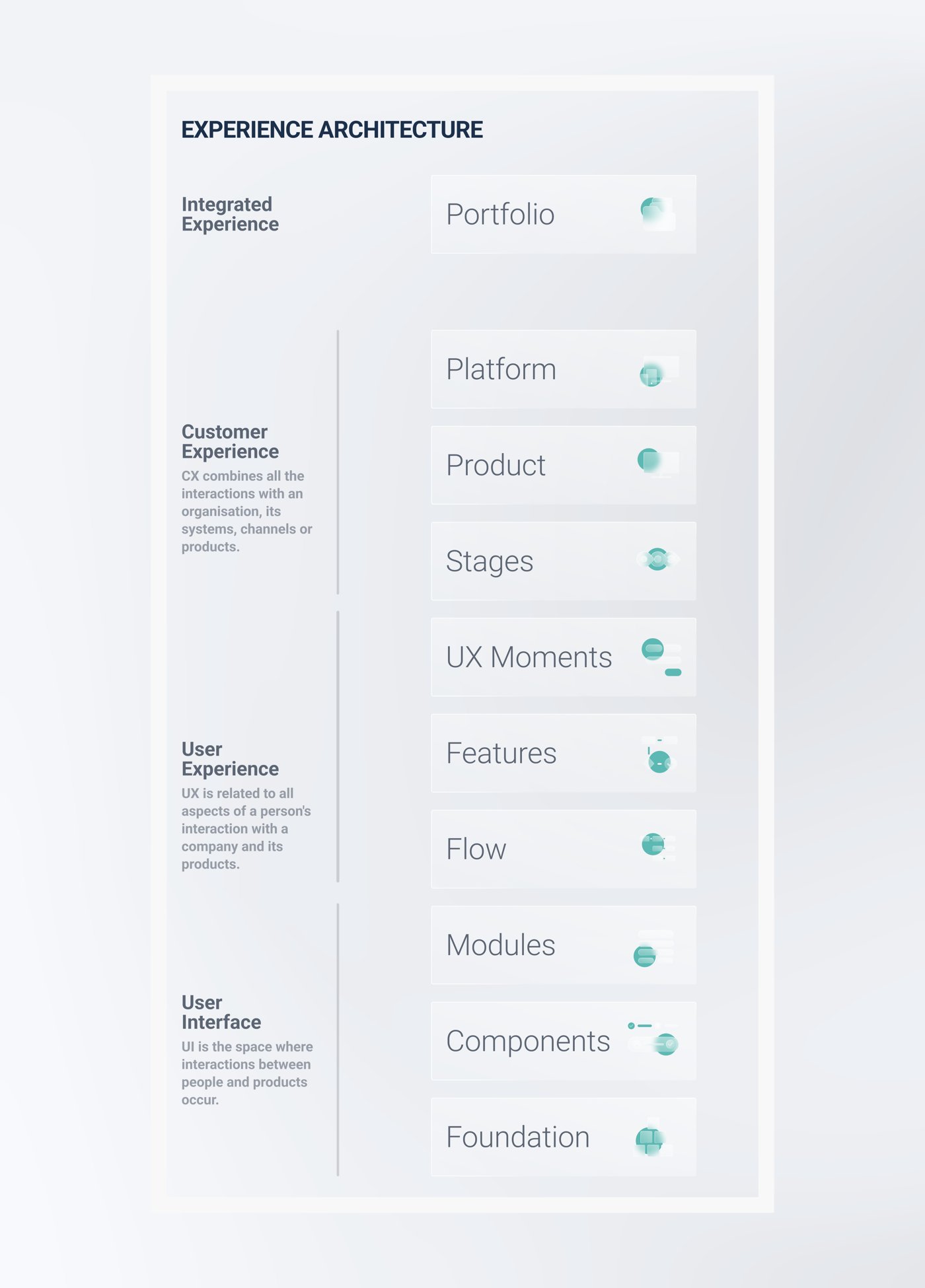
The system is structured as an experience architecture: brand-agnostic foundations and design tokens at the base, then components, modules and templates, with brand foundations layered on top.
Key decisions
Decision 1 — A shared process to build pages on the platform
Pages were being built in different ways in different markets, often with external tools. I defined the process and built templates for communication between design, marketing and development, so any team could brief, design and build pages correctly on the platform. This moved work off external tools and saved the company significant cost.
A process only matters if people use it. We went around the world onboarding teams market by market, which is how the system reached its current adoption.
Decision 2 — One web library and one set of standards for every brand
I started and owned the initiative to centralise the web library and standardise guidelines across all brands: content, assets, information architecture and accessibility. Instead of one library per brand, brands now share the same building blocks and apply their own foundations on top.
I managed the developer roadmap and workflow from start to finish. Every component is documented and linked across the design system hub (zeroheight), Storybook, Azure DevOps, Figma and Confluence, so designers, developers and product owners all work from the same source.
AI-enabled documentation
Documentation spread across five tools goes out of date quickly. I set up AI-enabled workflows to keep it connected and current:
- Drafting. Component pages, usage guidance and release notes are drafted from the Figma specs and Storybook stories, then reviewed and edited by the team.
- Updating. When a component changes, the related pages in the hub, Confluence and Azure DevOps are flagged and updated together instead of one by one.
- Checking. Automated checks compare design, code and documentation and flag mismatches, missing states and accessibility gaps, so we can see whether each component still works as documented.
- Handoff. Developers and agencies get consistent, structured specs, which cuts down back-and-forth during iteration.
Decision 3 — An optimisation hub tied to the journey map
Research and testing were happening in isolated pockets. I started the optimisation hub and its initiatives: A/B testing, usability testing, surveys and other research. I connected it to the customer journey map, so problems and opportunities are tracked against specific user journeys rather than in a backlog with no context.
Each item is prioritised by effort and impact, giving teams across the group a shared, evidence-based view of what to fix next.
Accessibility as a default
I provided WCAG expertise to design decisions, translating requirements into practical, usable patterns, and documented the scope, process, tooling and a testing checklist so accessibility is built in rather than checked after the fact.